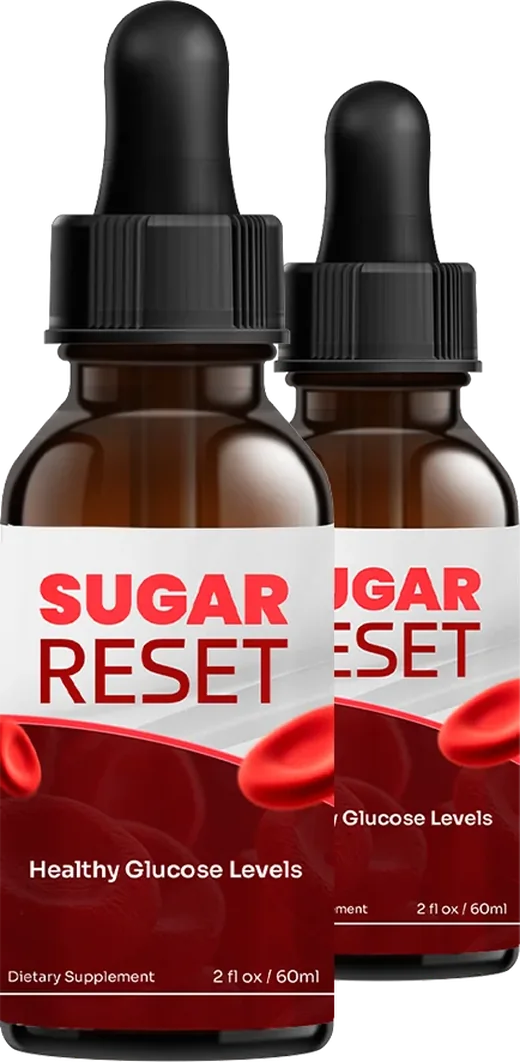
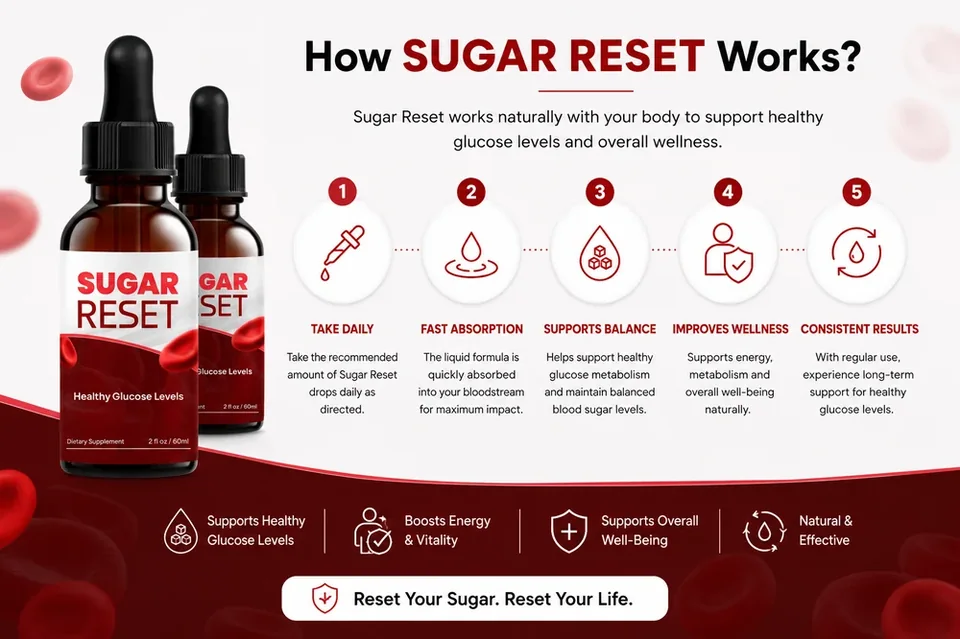
Most people looking at a product like this are not reacting to a diagnosis. They are reacting to a pattern: the heavy hour after lunch, the craving that arrives at four o'clock, the energy that drops off a cliff and then comes back. None of it is dramatic. All of it is tiring.
Glucose is supposed to move, not sit
When you eat carbohydrate, it breaks down into glucose and enters the bloodstream. The pancreas releases insulin, and insulin acts as the key that lets glucose into muscle and fat cells where it can be used or stored. The system is quick, and when it works you never notice it.
The problem is the size of the swing
Trouble shows up when the rise is steep and the fall is steeper. A fast spike prompts a large insulin release, the large release can overshoot, and the overshoot is what you feel as the crash — flat energy, difficulty concentrating, and a strong pull towards something sweet, which starts the cycle again.
Over years, repeatedly asking for large insulin releases is part of how cells become less responsive to the signal. That is the slope people are hoping to flatten, and it is the reason "steady" matters more than "low".
Where a supplement realistically sits
The things with the strongest evidence behind them for glucose control are not products: what you eat and in what order, moving after meals, sleep, and body composition. A ten-minute walk after dinner has a measurable effect on post-meal glucose. No capsule or dropper competes with that.
A supplement can sit on top of those habits. It cannot replace them, and it cannot replace medication. If you have been diagnosed with diabetes or prediabetes, this is a conversation to have with your doctor before you add anything — not least because several ingredients here can lower glucose, which matters a great deal if you are already taking something that does the same.